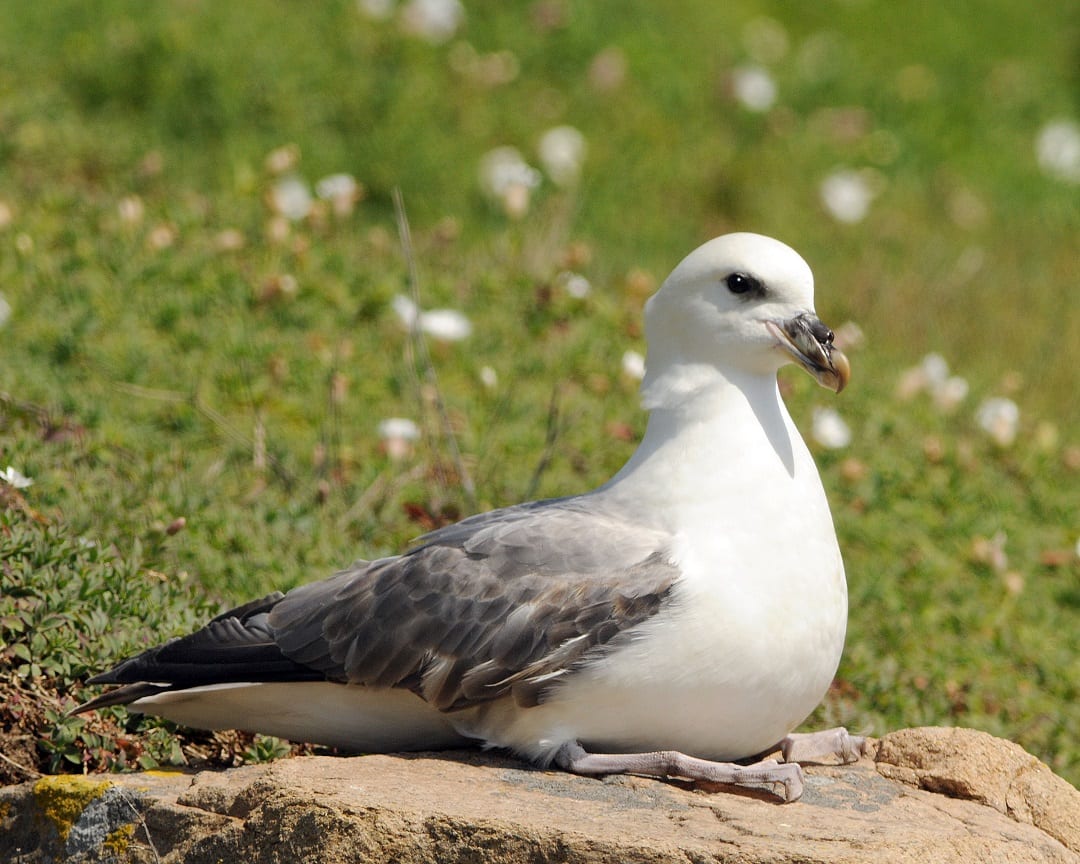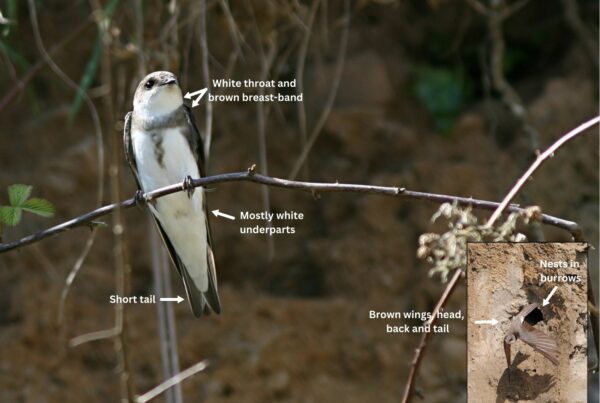
A guide to identifying riverbirds – the Dublin City Riverbird Survey
The Dublin City Riverbird Survey is back for its second year! A huge thanks to everyone who has contributed to the project so far, we have received 80 records to…
Welcome to BirdWatch Ireland, the largest independent conservation organisation in Ireland. Established in 1968, we currently have over 15,000 members and supporters and a local network of over 30 branches nationwide.
The survey will start again from Monday 27th November 2023, and we need your help again to find out how Ireland’s garden birds fare through the cold winter months. The survey is very easy to do, doesn’t require much time, and is a great way to get familiar with the species and behaviours of the birds in your garden. Most importantly, it provides us with really useful information for our monitoring and conservation work!
Please click here for the latest information and advice on Avian Influenza (“bird ‘flu”)
(Updated on 31st July 2023)
We are the largest independent conservation organisation in Ireland. The primary objective of BirdWatch Ireland is the protection of wild birds and their habitats in Ireland. In order to fulfil this objective we undertake a wide variety of work:
In Ireland we have around 200 ‘regularly occurring’ bird species, some of which are here all year round and others that migrate to spend part of the year here. Of those migratory species, some come here for the summer to nest and other comes here to spend the winter. If we include rare ‘vagrant’ species, then over 450 bird species have been recorded in Ireland.
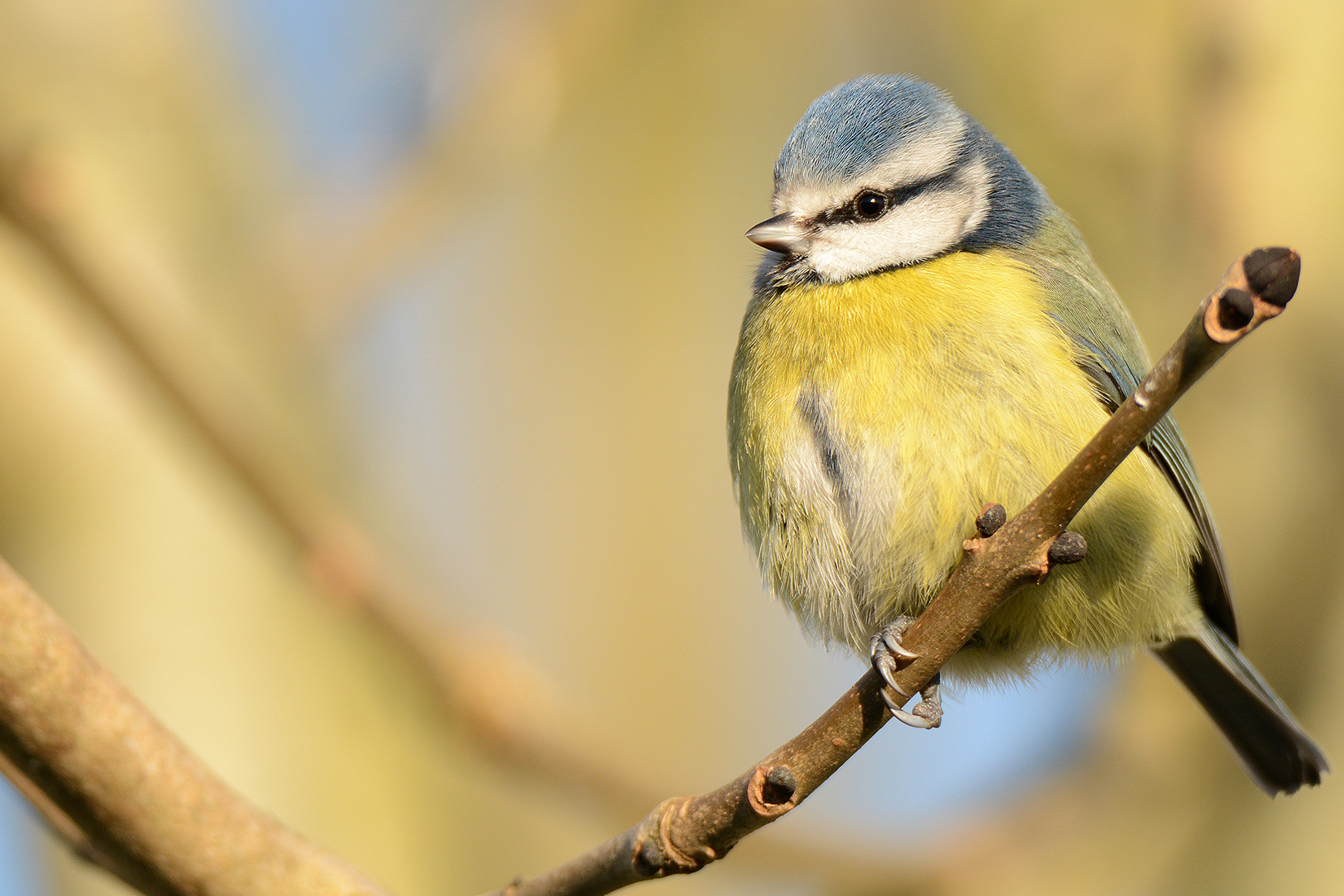
Garden Birds
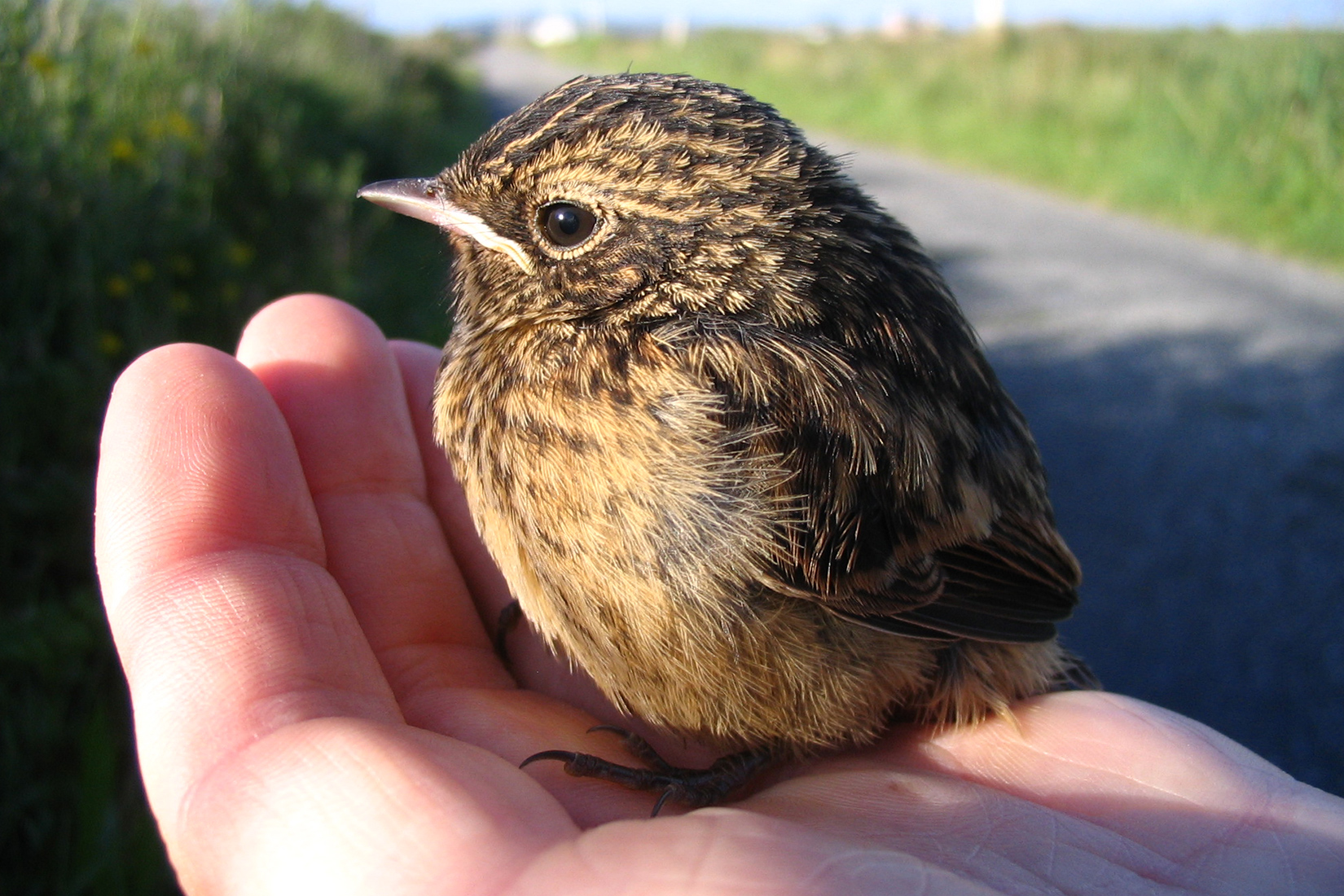
What to do if you find a baby bird or injured bird
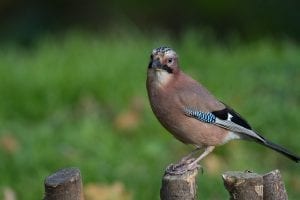
List of Ireland’s Birds
BirdWatch Ireland monthly electronic newsletter
Visit our shop to for all of your bird care needs, including feeders, birdfood and nestboxes, as well as a wide variety of books, optical equipment including binoculars and telescopes, and even a range of t-shirts featuring your favourite Irish birds! By purchasing from our shop you’re helping support and fund our vital conservation work across the country.

© 2024 BirdWatch Ireland.